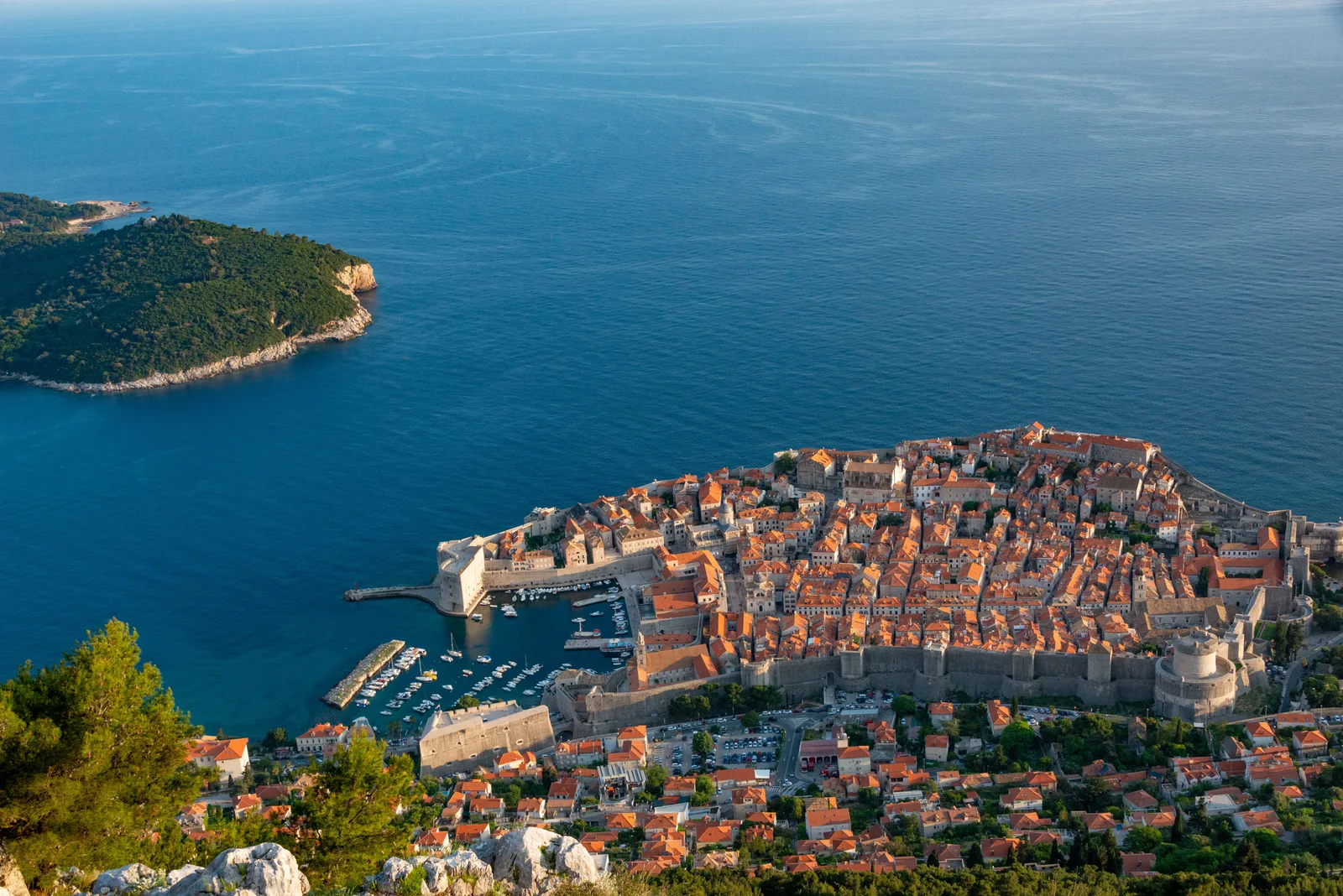
Dubrovnik is one of Croatia’s best-known coastal destinations, yet a good holiday here is about more than walking along the Stradun. The city combines historic architecture, an unmistakable Adriatic atmosphere, swimming, day trips and food within a landscape where one neighbourhood can feel very different from the next. That is why choosing the right area to stay matters: one traveller may prioritise the Old Town, another a beach, parking or a quieter family routine. Apartments and private accommodation give you the chance to ask a host about practical details before you travel and choose a stay that fits your plans.
Why visit Dubrovnik?
Dubrovnik brings together a living Mediterranean city and an unusually concentrated historic setting. Inside the walls you will find squares, palaces, churches, monasteries, steps and narrow lanes best explored slowly rather than ticked off in a hurry. Outside the centre are coves, promenades, islands and residential areas with a more relaxed rhythm. This makes the destination suitable for a culture-focused weekend, a family holiday, a romantic break, a longer stay by the sea or a base for discovering southern Croatia.
History is visible everywhere, but Dubrovnik is not merely a backdrop. The harbour still gives the city a maritime character, local food is part of everyday life, and evening walks reveal a different mood from the daytime sightseeing route. If you leave room for swimming, rest and a short excursion, the city can feel rich without demanding that you see everything in one day.
What to see in Dubrovnik
Start in the Old Town on the Stradun, the main pedestrian axis linking the western and eastern entrances. Make time for the Large Onofrio’s Fountain, the Franciscan Monastery, Rector’s Palace, Sponza Palace, the cathedral and the smaller squares that open behind the main street. The city walls look towards the rooftops, sea, Fort Lovrijenac and Lokrum, but the route includes steps and exposed sections, so comfortable shoes and water matter.
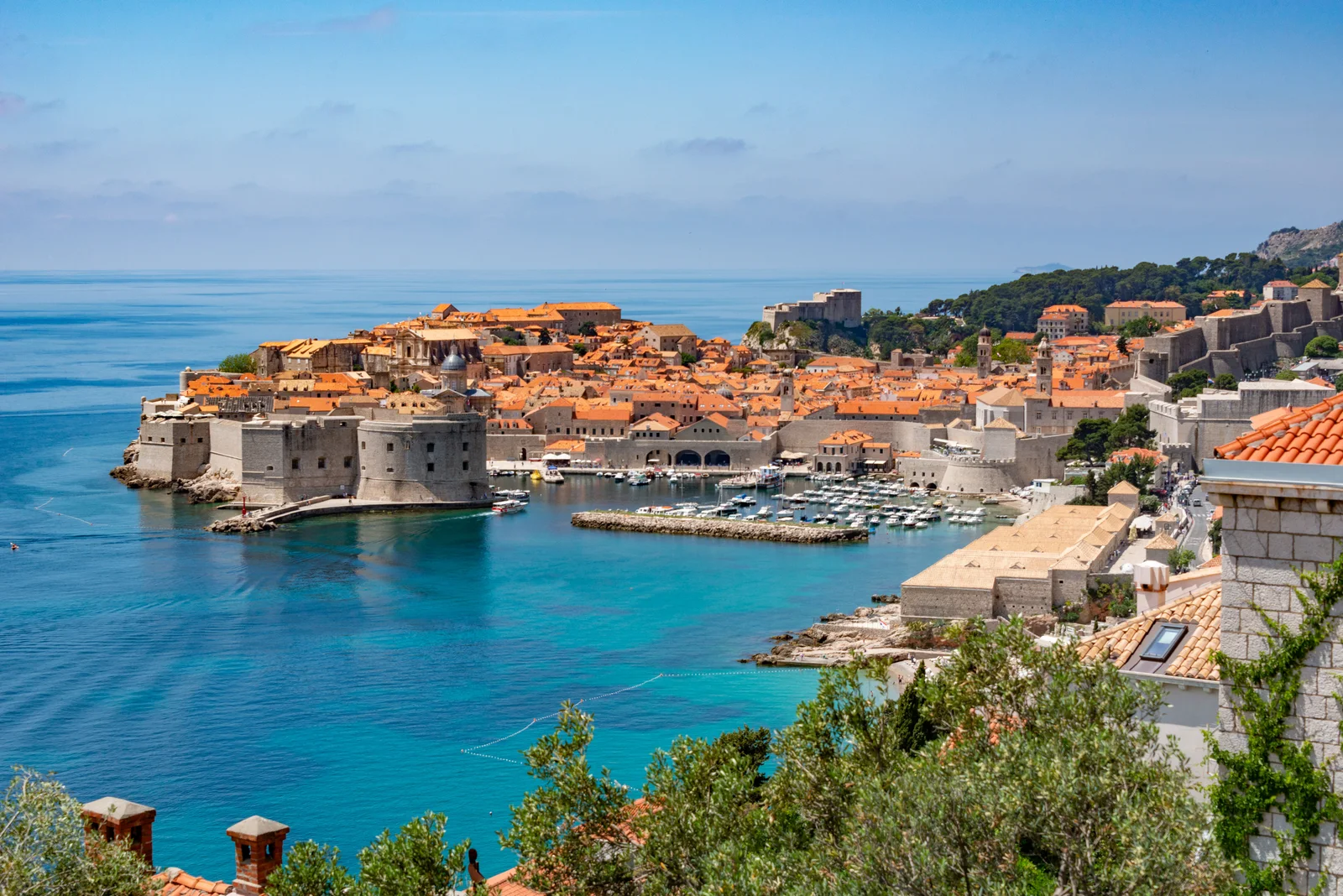
Fortifications, viewpoints and the old harbour give you a wider understanding of the city. Lovrijenac rises above Pile, while higher viewpoints show the relationship between the walls, the sea and the surrounding hills. In the harbour, watch working boats and daily movement instead of looking only for a postcard view. Dubrovnik is a UNESCO World Heritage site; UNESCO highlights its preserved Gothic, Renaissance and Baroque churches, monasteries, palaces and fountains and its historic role as a Mediterranean sea power.
Dubrovnik’s best beaches and nearby coast
Beaches are better compared by access, shade, views and distance than by a single ‘best’ ranking. Banje is convenient when you want to combine a swim with the Old Town. Lapad offers a coastal promenade, coves and places to pause, while Sveti Jakov looks back towards the walls and Lokrum; reaching it involves a steeper route and the return journey is uphill.
For a slower coastal stay, consider areas towards Župa Dubrovačka, Zaton or other nearby villages, especially if you have a car. Access, parking and facilities vary by exact location and season, so confirm them before you commit. Families should look at the complete routine: the distance from the apartment, steps, the return during the hottest part of the day and whether shops are practical on foot.
Where to stay in Dubrovnik
The Old Town suits visitors who want historic atmosphere and immediate access to major sights. Accommodation within the walls can also mean more stairs, limited car access and a livelier evening setting. Pile and Ploče are close to the centre and useful for short visits, although slopes, traffic and parking depend on the exact street. Lapad is often attractive to families and travellers who want beaches, a promenade and more everyday services.
Gruž can be useful if bus and boat connections, the ferry port or a more urban routine matter to you. Areas beyond the centre may offer more space and easier parking, but you must include the time needed to reach the Old Town and check transport. Look at the actual distance, terrain, steps, parking and beach access rather than relying on a neighbourhood label. Browse accommodation in Dubrovnik and ask the host specific questions.
Couples may prefer a quieter area with a view or an easy evening walk, while families often value a kitchen, washing machine, real bed capacity and a simple route home after the beach. For longer stays, a shop, bus stop and laundry can matter more than a dramatic photograph. No neighbourhood is automatically right for everyone, so finish your comparison by confirming the actual conditions with the host.
Apartment, villa or holiday home – what should you choose?
A studio apartment can be practical for a couple or short break, while a larger private apartment suits families or groups who need separate bedrooms and a shared living space. A villa makes sense when privacy, outdoor space and a longer stay matter more than being close to the centre. A holiday home outside Dubrovnik can offer calm surroundings, but you should check transport and daily logistics more carefully.
Never treat a photograph as proof of a specific facility. Confirm the beds, capacity, floor, stairs, air conditioning, kitchen, parking, sea distance and pet policy if those details affect your trip. The right choice is not necessarily the largest or most expensive property; it is the one whose real conditions match the way you plan to travel.
When is the best time for a Dubrovnik holiday?
Summer offers the widest choice of swimming, excursions and evening life, but it also brings higher demand and a busier Old Town. Spring is appealing when walking and sightseeing are more important than spending every day on the beach. Early autumn can combine warm-sea plans with a calmer feel, although weather and visitor numbers vary from year to year.
If you travel outside the main season, check which services and boat trips operate on your dates. For a weekend, location can matter more than for a full week, while a longer stay can make an area outside the centre worthwhile. Book early if you need parking, step-free access, several bedrooms or a particular family layout.
How to reach Dubrovnik and get around
Dubrovnik can be reached by air, road and sea, with the best choice depending on your starting point and travel dates. From the airport, plan the transfer to your actual address rather than to a generic city centre. Buses connect important parts of the city, while the Old Town is best explored on foot. For boat trips or island connections, check current departures with the official operator.
A car is valuable for the wider region but not for driving inside the historic core. The area around the Old Town has a special traffic regime and motor vehicles cannot freely enter the inner historic centre; follow signs and staff instructions. Ask the host where parking really is, whether it is included and how far it is from the property. That answer can change the comfort of your stay.
Day trips from Dubrovnik
Lokrum is an easy natural escape from the city, while the Elaphiti Islands offer a different pace, small settlements and coastal scenery. Cavtat is appealing for its waterfront and historic centre. Inland, Konavle brings a rural perspective, while Zaton, Trsteno, Slano and other coastal places work well for shorter outings based on your interests.
Do not choose an excursion by its photograph alone. Check duration, departure point, what is included, weather dependence and the return plan. Organised trips can change, and independent travellers need time for the transfer to a harbour or bus stop. Staying in Lapad, Gruž or the surrounding area may help with some departures, but confirm the real distance each time.
What to eat and experience in Dubrovnik
Dubrovnik is a good place to discover Dalmatian food without rushing. Depending on the season, look for fresh fish, shellfish, octopus, chard, olive oil and local cheese, as well as simple dishes that let the ingredients speak. In the Old Town, the mood moves from morning coffee to evening walks; Gruž and other neighbourhoods show a more everyday local rhythm.
You do not need to plan every meal. Ask your host where residents shop, which markets are operating and which places suit your budget or dietary needs. A memorable day often combines one well-known sight with an unplanned stop in a side street or by the water.
Tips for booking accommodation in Dubrovnik
Start with your dates, guest count and arrival method. Then compare neighbourhoods by the time to the Old Town, beach, shop and transport. Read each listing carefully and confirm the actual facilities: air conditioning, kitchen, bed configuration, bathrooms, Wi-Fi, balcony, washing machine and parking should be verified for that property, not assumed from a photograph.
Send the host a short, precise inquiry with dates, number of guests and the questions that matter. Ask about availability, arrival, parking, steps and the distance to a stop or beach. An inquiry on Apartmani Hrvatska is not automatically a confirmed booking; availability and the final agreement are confirmed directly with the host. Start with apartments in Dubrovnik.
If you compare several options, record answers in the same notes so you do not mix up areas or conditions. For a longer stay, ask about every cost and rule before agreeing. Clear communication before arrival reduces surprises and helps you choose private accommodation that genuinely fits your trip.
Frequently asked questions about Dubrovnik holidays and accommodation
Which Dubrovnik area is best for staying?
It depends on your priorities. The Old Town and Pile suit a short cultural visit, Lapad often balances beaches and everyday services, and Gruž can be practical for transport. Nearby areas are useful when you prefer space, quiet or easier parking.
Are there apartments close to Dubrovnik Old Town?
Yes, there are options in the Old Town, Pile, Ploče and surrounding streets, but close does not always mean step-free or parking-friendly. Confirm the exact address, terrain and arrival route with the host.
Is Dubrovnik suitable for a family holiday?
It can be, especially when you match the beach, accommodation, kitchen, beds and transport in advance. The Old Town has many steps and stone surfaces, so families may prefer a neighbourhood with an easier daily routine.
When is the best time to visit Dubrovnik?
Summer is liveliest and best for a classic sea holiday, while spring and early autumn can be more comfortable for walking and sightseeing. Check seasonal availability for your exact dates.
How can I find private accommodation in Dubrovnik?
Open accommodation in Dubrovnik, compare locations and send a specific inquiry to the host. Availability and the booking are confirmed only after a direct agreement.
Can I contact the accommodation owner directly?
Yes. The platform facilitates an inquiry and direct conversation with the host. Include dates, guest count and special needs, then clarify the price, conditions and arrival before the final agreement.
Find your Dubrovnik accommodation
Dubrovnik works best when your itinerary and neighbourhood support each other. Decide whether you want the walls, a beach, the harbour or a quieter stretch of coast, then check the real conditions and speak directly with the host. Explore holiday accommodation in Dubrovnik, compare available apartments and send an inquiry for the dates that suit you.